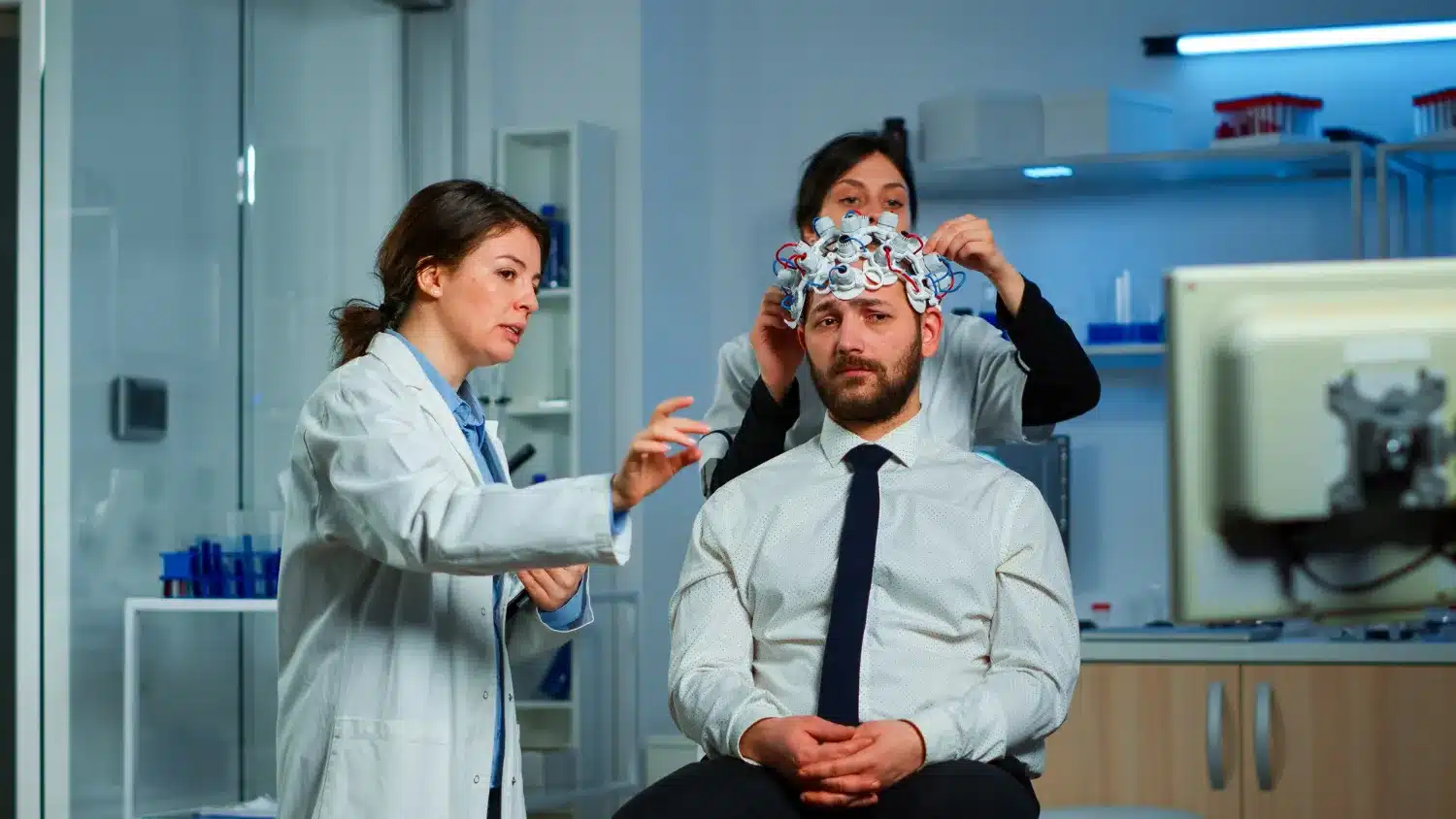

Your brain, spinal cord and nerves control almost every function of your body. They help you move, think, speak, remember and respond to your surroundings. When the nervous system is affected, even simple daily activities can become difficult.
Understanding common neurological symptoms can help you recognise when medical attention may be necessary.
What Are Neurological Disorders?
Neurological disorders affect the brain, spinal cord or peripheral nerves. They can develop suddenly or gradually, depending on the underlying condition.
Some common neurological conditions include:
- Migraine and other headache disorders
- Epilepsy and seizures
- Stroke
- Parkinson’s disease
- Peripheral neuropathy
- Memory and cognitive disorders
- Nerve compression and related problems
Each condition has different causes, symptoms and treatment options. A medical assessment is essential for an accurate diagnosis.
Common Symptoms You Should Not Ignore
Neurological symptoms can affect movement, sensation, memory and coordination. Warning signs may include:
Persistent or severe headaches: Frequent headaches or a sudden, extremely severe headache may require urgent evaluation.
Numbness or tingling: Repeated numbness in the hands, feet or other parts of the body can sometimes indicate a nerve-related problem.
Balance and coordination difficulties: Frequent falls, unsteadiness or difficulty walking may need further assessment.
Memory changes: Persistent forgetfulness or changes in thinking can have several possible causes.
Muscle weakness: Unexplained weakness or difficulty controlling movements should be evaluated.
Speech or vision changes: Sudden difficulty speaking, understanding speech or seeing clearly can indicate a medical emergency.
What Can Affect Nervous System Health?
Neurological conditions may result from genetic factors, ageing, infections, injuries, autoimmune conditions or problems with blood circulation.
Conditions such as diabetes and high blood pressure can also increase the risk of certain neurological complications. Identifying and managing these risk factors is an important part of preventive healthcare.
How Can You Support Brain Health?
Healthy habits can support overall neurological well-being.
- Maintain a balanced diet.
- Exercise regularly, based on your health and abilities.
- Get sufficient sleep.
- Manage blood pressure and blood sugar.
- Avoid smoking and excessive alcohol consumption.
- Stay mentally and socially active.
- Seek medical advice for persistent or unusual symptoms.
These habits cannot prevent every neurological condition, but they can contribute to overall health.
When Should You Seek Immediate Medical Attention?
Sudden facial drooping, weakness or numbness on one side of the body, difficulty speaking, sudden loss of vision or a sudden severe headache can indicate a stroke or another emergency.
Call your local emergency service immediately. Do not wait to see whether the symptoms improve.
Take Neurological Symptoms Seriously
Early assessment can help identify the cause of neurological symptoms and determine appropriate treatment or further investigation.
Dr. Ankit Prajapati – Brain & Spine Surgery encourages patients to seek timely medical advice when they notice persistent changes in movement, sensation, memory or coordination.
Your nervous system plays a vital role in everyday life. Paying attention to its warning signs can make a difference.